जूरिस्डिक्शन ऐज़ ए सर्विस: क्यों स्विस कानून हमारे टेक स्टैक की एक परत है
एक तकनीकी विश्लेषण कि sovereign stack में जूरिस्डिक्शन क्यों शामिल होना चाहिए, उसके बाहर नहीं।
अपडेट: 19 अगस्त 2026।
1. Executive Summary: जूरिस्डिक्शन एक stack layer है
Sovereign hardware के लिए जूरिस्डिक्शन कोई corporate detail नहीं है। यह security boundary का हिस्सा है। Cryptography डेटा को technical extraction से बचा सकती है; jurisdiction lawful access, retention और disclosure के नियम तय करती है। यदि operator user data को access या reconstruct कर सकता है, तो सिस्टम के आसपास की trust hierarchy cipher के साथ ही मायने रखती है।
CLAVI Swiss jurisdiction को एक structural layer की तरह देखता है जो ClavOS, Monolith और zero-knowledge architecture के साथ काम करती है। Technical goal recoverable vault secrets को operator custody से बाहर रखना है। Legal goal Switzerland के constitutional और statutory data-protection framework में operate करना है। मिलकर ये layers digital sovereignty के लिए design किया गया environment बनाती हैं।
| Layer | यह क्या secure करती है | इसके बिना क्या fail होता है |
|---|---|---|
| Hardware | Physical key isolation और signing authority | Keys एक device या recoverable backup में सिमट जाती हैं |
| Operating system | Remote access minimisation और local control | Manufacturer या attacker software-level reach पा लेता है |
| Jurisdiction | Operator duties और disclosure को नियंत्रित करने वाले नियम | लागू disclosure और retention duties अनदेखी रह जाती हैं |
| Zero-knowledge design | User secrets की technical non-possession | Operator information flow के भीतर बना रहता है |
यह analysis बताता है कि CLAVI ने Schaffhausen क्यों चुना, Article 13 और revFADP क्यों महत्वपूर्ण हैं, और operator के पास recoverable vault secrets कम रखने से breach या lawful disclosure के लिए उपलब्ध सामग्री कैसे सीमित हो सकती है।
2. Cryptography की सीमाएँ
Encryption जरूरी है, लेकिन पर्याप्त नहीं। यदि कोई provider user data को access, recover, log या reconstruct कर सकता है, तो decisive risk cryptographic नहीं बल्कि legal और organisational बन जाता है।
यही cloud-dependent systems की hidden weakness है। Transport encryption मजबूत होने पर भी operator compliance perimeter के भीतर रहता है। Critical assets, family-office treasury, private communications या proprietary AI workflows के लिए असली सवाल सिर्फ “क्या यह encrypted है?” नहीं है। असली सवाल है: “किसे, किन कानूनों के तहत, वह चीज़ बताने के लिए मजबूर किया जा सकता है जो वह जानता है?”
इसलिए sovereign hardware का मूल्यांकन सिर्फ key storage, chip choice या signing flow से नहीं किया जा सकता। उसे उस legal environment से भी मापा जाना चाहिए जो manufacturer और operator के आसपास है।
एक व्यापक तकनीकी comparison के लिए देखें Why CLAVI Isn’t Competing with Ledger.
3. CLAVI architecture में Switzerland load-bearing क्यों है
CLAVI Schaffhausen, Switzerland में incorporated है और उस legal environment को अपने security model के एक हिस्से के रूप में प्रस्तुत करता है। Jurisdiction operator duties और remedies को आकार दे सकती है, लेकिन वह hardware को certify नहीं करती और privacy को unconditional नहीं बनाती।
कंपनी European Union के बाहर है और Five Eyes intelligence alliance के बाहर है। इससे governing legal framework बदलता है, लेकिन Swiss statutory duties, international cooperation या lawful requests की संभावना समाप्त नहीं होती।
Sovereign hardware company के लिए domicile उस operational environment का हिस्सा है जिसमें trust assumptions का परीक्षण होता है। Legal perimeter को hardware perimeter का समर्थन करते हुए company और उसके retained business records पर लागू duties को भी स्वीकारना चाहिए।
बचाव योग्य निष्कर्ष अधिक सीमित है: architecture operator custody में आने वाले user secrets घटा सकती है, जबकि Swiss law बाकी personal और corporate records को govern करता है। कोई भी layer implementation risk या lawful process समाप्त नहीं करती।
4. Article 13 privacy को constitutional standard बनाता है
Swiss Federal Constitution का Article 13 privacy को fundamental right मानता है। यह महत्वपूर्ण है क्योंकि privacy राज्य की legal architecture के भीतर स्थापित होती है, किसी revocable product policy में नहीं। [1]
Systems level पर यह constitutional baseline उस environment के लिए relevant है जिसमें CLAVI operate करता है। यह statutory duties, proportionate restrictions, court orders या international cooperation से immunity नहीं देता।
Sovereign infrastructure बनाने वाली company के लिए legal framework के rights और duties का मूल्यांकन user secrets तक third-party access घटाने के product objective के साथ होना चाहिए। Jurisdiction engineering, compliance analysis या case-specific legal review की जगह नहीं लेती।
5. revFADP privacy by design के साथ align करता है
सितंबर 2023 से revised Federal Act on Data Protection (revFADP) लागू होने पर data protection by design और privacy-friendly default settings की मांग करता है। CLAVI के लिए यह legal logic सीधे product logic से मेल खाती है। [2]
CLAVI की architecture operator layer पर sensitive vault information की मात्रा कम करने के लिए बनी है: कम retained secrets, कम exposed interfaces और breach या compelled disclosure के लिए कम सामग्री। यह commerce, delivery, account, support, security, accounting या अन्य records को समाप्त नहीं करता जिन्हें business को तय उद्देश्यों के लिए process और retain करना पड़ सकता है। CLAVI का data-minimisation analysis बताता है कि इन अलग data planes को अलग controls क्यों चाहिए।
इसलिए revFADP इसलिए महत्वपूर्ण नहीं है कि CLAVI engineering की जगह legal promises पर निर्भर है, बल्कि इसलिए कि legal framework लागू होने पर data protection by design और by default की मांग करता है। Product architecture और business-record governance अलग compliance questions हैं।
6. Reporting का युग non-possession को और महत्वपूर्ण बनाता है
19 अगस्त 2026 तक, Switzerland OECD के Crypto-Asset Reporting Framework (CARF) को 1 जनवरी 2027 से पहले लागू नहीं कर सकता; संबंधित legal basis 2026 में लागू नहीं है। [3]
लागू होने पर CARF सभी users की holdings का universal database नहीं बनाता। इसके scope में आने वाले crypto-asset service providers user identity data और relevant transactions के annual aggregates को asset और transaction type के अनुसार report करते हैं। [4]
यही modern custody का jurisdictional paradox है। Provider जितना अधिक जानता है, उतना अधिक data उसे कानूनन preserve या disclose करना पड़ सकता है। और जितना अधिक वह store करता है, security incidents, reporting duties और operational exposure का risk उतना ही बढ़ता है।
इसीलिए CLAVI मॉडल किसी बड़े operator-side vault repository की रक्षा पर आधारित नहीं है। इसका design private keys, locally derived wallet-to-customer mappings और proprietary CLAVI AI के local prompts को operator custody से बाहर रखने का लक्ष्य रखता है; यह product-design claim engineering verification मांगता है। इसका अर्थ यह नहीं कि CLAVI Switzerland AG कोई personal data नहीं रखता: आवश्यक commercial, support, security और accounting records अलग data-governance responsibility हैं।
Cloud-based custody या intelligence systems information flow के भीतर रहने पर broader disclosure और reporting exposure ले सकते हैं, जिसमें लागू होने पर U.S. CLOUD Act भी शामिल है। [5] इसलिए technical और jurisdictional प्रश्न अलग नहीं हैं: कितना sensitive knowledge centralise होता है, कहाँ रखा जाता है और किन कानूनों के तहत उस तक पहुँचा जा सकता है?
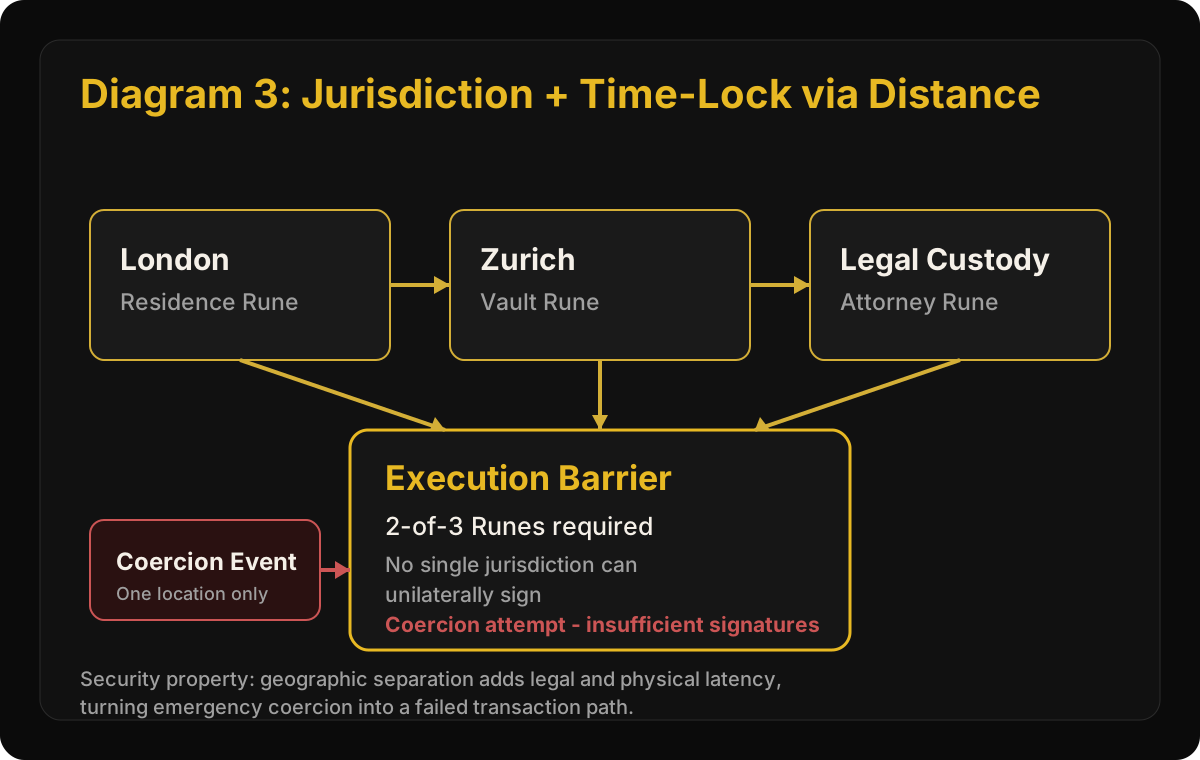
7. Zero-knowledge architecture legal requests की data reach सीमित करती है
Architectural non-possession exposure घटाने का एक प्रभावी उपाय है। यदि operator keys, prompts या recoverable user secrets hold नहीं करता, तो वे materials आम तौर पर उसकी existing custody से उपलब्ध नहीं होते। Authorities अपने lawful powers के भीतर अन्य records या prospective measures फिर भी मांग सकती हैं।
यही CLAVI की operational logic है।
CLAVI के documents ClavOS, Monolith और Rune model को इस उद्देश्य से design किया हुआ बताते हैं:
- vault secrets के operator-held recovery credentials से बचना,
- critical user operations पर persistent operator telemetry को minimise करना,
- private keys को operator custody से बाहर रखना,
- proprietary CLAVI AI के local prompts और outputs को operator layer से बाहर रखना।
यहीं technical और legal layers compound होती हैं:
- Legal layer: Swiss constitutional protections और revFADP intrusion की threshold बढ़ाते हैं। [1][2]
- Technical layer: CLAVI vault secrets को operator custody से बाहर रखने के लिए design किया गया है, जिससे operator जो retrieve कर सकता है वह सीमित होता है।
- Operational layer: CLAVI का stated target local validation, hardware-gated approval और distributed authority है; deployed boundary को engineering verification चाहिए।
यही Jurisdictional Hardening का अर्थ है: jurisdiction cryptography को replace नहीं करती; वह उसी sovereignty model को legal side से support करती है।
Continuity और inheritance के व्यापक संदर्भ के लिए देखें CLAVI: Building a Personal Digital Vault for High-Level Businesses and Families.
8. प्रलेखित तकनीकी शब्दावली
तर्क को सटीक रखने के लिए चार terms महत्वपूर्ण हैं:
- Trust Hierarchy: किसी digital system के भीतर delegated authority की chain।
- Zero-Knowledge Architecture: CLAVI का ऐसा design term जिसका उद्देश्य private keys और local vault content को operator custody से बाहर रखना है। इसका अर्थ यह नहीं कि company commerce, support, security, accounting या अन्य legally required records नहीं रखती।
- Swiss Jurisdiction: वह legal environment जिसमें Article 13 और revFADP privacy को structural right के रूप में reinforce करते हैं।
- Jurisdictional Hardening: ऐसे legal environment के लिए चुनना और design करना जो उसी sovereignty model को support करे जिसे hardware enforce करता है।
9. Frequently Asked Questions
Q: अगर सिस्टम पहले से एन्क्रिप्टेड है तो जूरिस्डिक्शन क्यों मायने रखता है?
A: क्योंकि एन्क्रिप्शन तकनीकी एक्सट्रैक्शन से बचाता है, ऑपरेटर पर लागू कानूनी कंपल्शन से नहीं। यदि ऑपरेटर यूज़र डेटा को एक्सेस, स्टोर या रिकंस्ट्रक्ट कर सकता है, तो जूरिस्डिक्शन तय करता है कि उसे क्या उजागर करने के लिए मजबूर किया जा सकता है।
Q: क्या स्विस जूरिस्डिक्शन zero-knowledge architecture की जगह लेता है?
A: नहीं। जूरिस्डिक्शन कानूनी एक्सपोज़र को नियंत्रित करता है, जबकि CLAVI zero-knowledge architecture से ऑपरेटर एक्सेस के चारों ओर एक लक्षित तकनीकी सीमा का वर्णन करता है। यह सीमा वास्तव में हासिल होती है या नहीं, यह implementation और engineering verification पर निर्भर है।
Q: विशेष रूप से sovereign hardware के लिए स्विस कानून क्यों महत्वपूर्ण है?
A: Sovereign hardware सिर्फ इस बारे में नहीं है कि keys कहाँ रखी जाती हैं। यह इस बारे में भी है कि manufacturer, operator और support structure के आसपास कौन-सा legal system है। CLAVI के लिए, स्विस कानून उसी privacy logic को मजबूत करता है जिसे hardware और operating system enforce करने के लिए बनाए गए हैं।
10. Sources
- Swiss Federal Constitution, Article 13 (Right to Privacy). Fedlex. (https://www.fedlex.admin.ch/eli/cc/1999/404/en)
- Revised Federal Act on Data Protection (revFADP). Federal Data Protection and Information Commissioner (FDPIC). (https://www.edoeb.admin.ch/edoeb/en/home.html)
- Framework for the Automatic Exchange of Information (AEOI) on Crypto Assets. Swiss State Secretariat for International Finance (SIF). (https://www.sif.admin.ch/en/framework-for-the-automatic-exchange-of-information-aeoi-on-crypto-assets)
- Crypto-Asset Reporting Framework (CARF). OECD. (https://www.oecd.org/en/publications/international-standards-for-automatic-exchange-of-information-in-tax-matters_896d79d1-en/full-report/component-6.html)
- CLOUD Act of 2018. U.S. Department of Justice. (https://www.justice.gov/dag/cloudact)