CLAVI FAQ: यह कैसे काम करता है — आर्किटेक्चर, सुरक्षा और संप्रभुता
संप्रभु हार्डवेयर कस्टडी की व्यापक ज्ञान गाइड — आर्किटेक्चर, सुरक्षा और उत्तराधिकार — 2026 में CLAVI के बारे में बीस सबसे महत्वपूर्ण प्रश्नों पर आधारित। तिथि: 26 फरवरी, 2026
जब तक किसी capability को स्पष्ट रूप से deployed न कहा गया हो, नीचे दी गई product capabilities CLAVI के documented design targets हैं। उनका behavior production hardware, firmware, software, configuration, integrations और independently reviewable evidence पर निर्भर है।
1. संप्रभुता की समस्या: मानक हार्डवेयर वॉलेट क्यों अपर्याप्त हैं
2026 में सेल्फ-कस्टडी का प्रमुख तरीका उपभोक्ता हार्डवेयर वॉलेट है: USB-आकार का साइनिंग डिवाइस जो निजी कुंजियों को इंटरनेट-कनेक्टेड मशीनों से अलग करता है। Ledger, Trezor और Coldcard सभी एक ही संकीर्ण समस्या हल करते हैं — सॉफ्टवेयर-आधारित कुंजी चोरी से सुरक्षा। वे इसे अच्छी तरह करते हैं।
लेकिन पर्याप्तता इस पर निर्भर करती है कि आप क्या सुरक्षित कर रहे हैं और किससे।
एक conventional hardware-wallet setup अक्सर recovery secret या backup scheme पर निर्भर करता है। Failure modes wallet, passphrase, multisignature arrangement, recovery method और operating practice पर निर्भर हैं। एक recovery secret single point of failure बन सकता है, लेकिन यह उपलब्ध एकमात्र configuration नहीं है।
Family offices और sensitive assets संभालने वाले व्यक्तियों के लिए threat model में malware, coercion, theft, operational failure और lawful legal process शामिल हो सकते हैं। हर risk की संभावना और गंभीरता user और jurisdiction पर निर्भर है; dedicated dataset के बिना यह article कोई numerical trend नहीं देता।
CLAVI इसलिए मौजूद है क्योंकि समस्या अब सिर्फ डिजिटल नहीं है। यह भौतिक, क्षेत्राधिकार-संबंधी और पीढ़ीगत है।
| विशेषता | Ledger / Trezor | Safe (Gnosis) | CLAVI |
|---|---|---|---|
| श्रेणी | उपभोक्ता साइनिंग डिवाइस | स्मार्ट-कॉन्ट्रैक्ट मल्टीसिग | CLAVI द्वारा documented sovereign-infrastructure positioning |
| कुंजी संग्रहण | Device- और configuration-specific | On-chain account policy | Multi-Rune distributed policy documented target है; final mechanism validation लंबित |
| Recovery | Device- और configuration-specific | Contract- और signer-specific | Seed-based recovery optional documented है; production recovery configuration पर निर्भर |
| लोकल नोड | आम तौर पर companion app या backend पर निर्भर | Interface-dependent | Pruned Bitcoin और Ethereum nodes documented Monolith targets हैं |
| ऑफलाइन AI | इस category की documented core feature नहीं | इस category की documented core feature नहीं | Tag-based RAG वाला configurable CLAVI proprietary AI documented target |
| भौतिक दबाव रक्षा | User configuration पर निर्भर | Signer policy पर निर्भर | Geographic Rune distribution assembly देर करने और attacker cost बढ़ाने के लिए है |
| क्षेत्राधिकार | फ्रांस (EU) | भिन्न-भिन्न | Documented Swiss corporate domicile (गैर-EU, गैर-Five Eyes) |
| लक्ष्य उपयोगकर्ता | खुदरा धारक | DAOs, टीमें | फैमिली ऑफिस, HNWI, संप्रभुता-केंद्रित व्यक्ति |
मुद्दा “कौन बेहतर है” नहीं, बल्कि “आप किस श्रेणी की समस्या हल कर रहे हैं” है। CLAVI documentation system को उन users के लिए position करती है जिनका compromise cost generations तक हो सकता है; fit production evidence और user threat model पर निर्भर है।
2. CLAVI आर्किटेक्चर: तीन घटक, एक संप्रभुता स्टैक
CLAVI एक डिवाइस नहीं है। यह तीन उद्देश्य-निर्मित घटकों की समन्वित प्रणाली है, जिनमें से प्रत्येक संप्रभुता की एक अलग परत के लिए जिम्मेदार है।
The Monolith
Monolith स्थानीय nodes और CLAVI के स्वामित्व वाले AI का server है। Design का लक्ष्य private keys को Runes पर रखना है; अन्य local data retention operation, software, backups और user configuration पर निर्भर है।
Monolith को local root समझें: यह computational environment, blockchain connection और intelligence layer देता है, जबकि design private-key authority Runes पर रखने का लक्ष्य रखता है। Node behavior, AI exposure और अन्य local retention implementation, software, backups, network features और user choices पर निर्भर हैं।
The Rune
Rune documented portable, biometric-gated secure-storage component है। Intended controls में gesture input वाला capacitive fingerprint reader, PIN access और Monolith docking शामिल हैं। Production implementation enrollment, revocation, signing, recovery और key-storage behavior तय करती है।
Documentation Rune को dock करने और configured PIN, gesture तथा fingerprint controls उपयोग करने का वर्णन करती है। Rune बिना internal battery dock-powered होने के लिए design है; इससे battery dependency हटती है लेकिन compatible dock dependency जुड़ती है। Multiple Runes configurable वितरित हस्ताक्षर नीति और geographic separation के लिए हैं; final cryptographic mechanism को engineering validation चाहिए।
ClavOS
ClavOS का design critical operations पर operator-controlled remote paths घटाने और vault secrets को CLAVI Switzerland AG की custody से बाहर रखने के लिए है। यह exposure घटाता है, पर हर attack को असंभव होने की guarantee नहीं देता।
| घटक | भूमिका | कुंजियां रखता है? | नेटवर्क एक्सेस |
|---|---|---|---|
| Monolith | इंटेलिजेंस सर्वर, नोड वैलिडेटर, Rune डॉकिंग स्टेशन | Private keys persist करने के लिए नहीं | Networked node functions; critical signing paths isolate करने का लक्ष्य |
| Rune | बायोमेट्रिक signing component, पोर्टेबल authority | Key material रखने का लक्ष्य | Documented design में wireless नहीं; dock-dependent |
| ClavOS | Documented zero-knowledge design objective वाला OS | लागू नहीं (OS परत) | Critical paths पर operator-controlled remote access minimize करने का लक्ष्य |
Apex Node concept Monolith को CLAVI design में user-controlled local root बताती है। इसका अर्थ public blockchain networks, software updates, configured integrations, host devices या business service providers से स्वतंत्रता नहीं है।
3. सुरक्षा मॉडल: डिज़ाइन हमले के मार्गों को कैसे संबोधित करता है
CLAVI का documented threat model phones, laptops और networks को potentially compromised मानता है और critical operations isolate करने का लक्ष्य रखता है। किसी particular compromise में security implementation, configuration, attack path और operating practice पर निर्भर है।
Zero-Knowledge आर्किटेक्चर
ClavOS sensitive operations को physically isolated Monolith-Rune environment में रखने का लक्ष्य रखता है। Documented design objective vault secrets को operator custody से बाहर रखना और delivery के बाद operator retrieval paths सीमित करना है [5]। यह vault secrets से संबंधित है, commerce, delivery, support, security, accounting या अन्य lawfully processed records से नहीं।
वितरित हस्ताक्षर और भौगोलिक वितरण
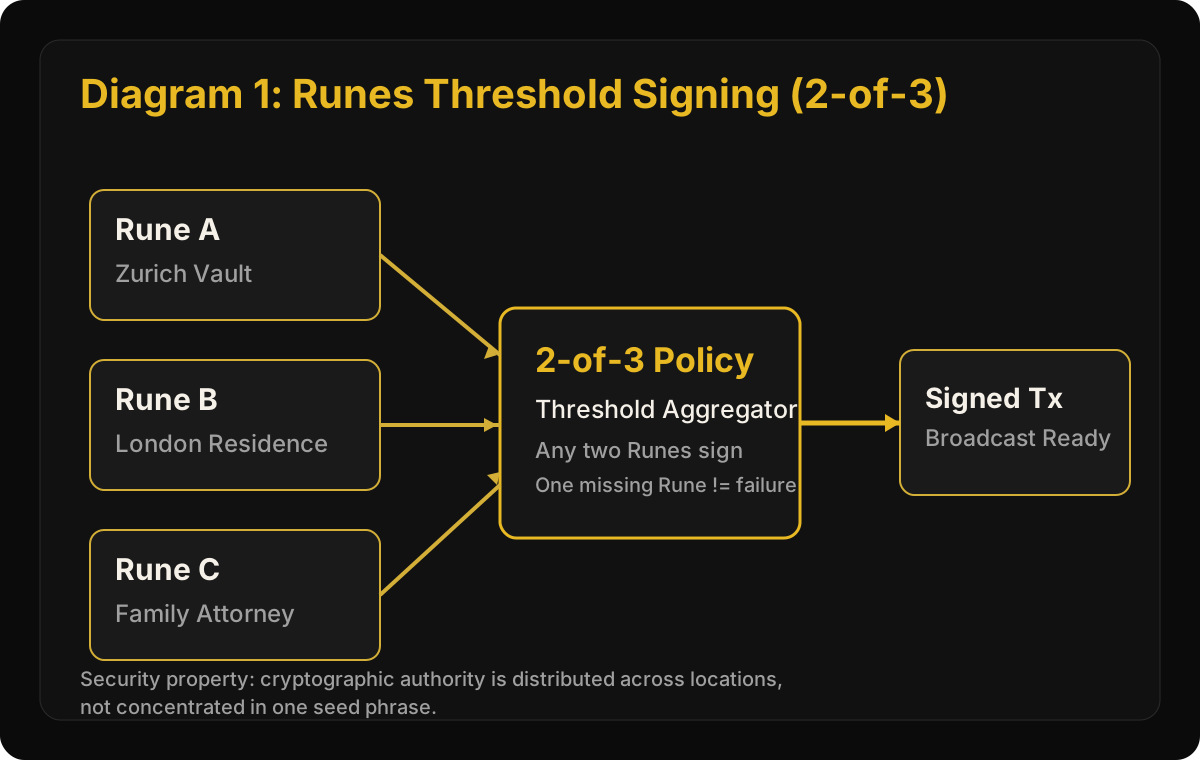
CLAVI documentation multiple Runes में configurable वितरित हस्ताक्षर नीति बताती है। यह अभी स्थापित नहीं करती कि production multisignature, threshold signatures या कोई अन्य quorum design उपयोग करता है; यह distinction और exact approval semantics engineering validation मांगते हैं। Runes law, access procedures, compatible hardware और configuration के अधीन अलग locations में रखे जा सकते हैं।
सही तरह implemented distributed policy में एक चोरी हुआ Rune अकेले sign करने के लिए अपर्याप्त होना चाहिए। Geographic separation approvals को एक स्थान पर जुटने से रोक सकती है और coercion का समय व लागत बढ़ा सकती है, लेकिन हर coercion scenario असंभव नहीं बनाती।
रिकवरी पथ और वैकल्पिक सीड बैकअप
CLAVI documentation multi-Rune design में seed-based recovery को optional बताती है। Rune खोने पर recovery deployed cryptographic mechanism, configured approval और recovery policy, available Runes, valid backups, replacement compatibility और tested procedures पर निर्भर है। Private keys को Runes पर रखने का design objective है।
CLAVI documentation traditional backup पसंद करने वाले users के लिए optional seed-based recovery path बताती है। इसकी security और availability production implementation, access controls, configuration, backup handling और tested recovery procedure पर निर्भर हैं।
| हमले का प्रकार | CLAVI प्रतिक्रिया | तंत्र |
|---|---|---|
| रिमोट एक्सप्लॉइट / मालवेयर | Critical paths पर remote attack surface कम | एयर-गैप्ड Monolith, wireless-रहित dock-powered Rune |
| एकल Rune चोरी | सही implemented policy में अकेले अपर्याप्त होना चाहिए | Multi-Rune approval policy; implementation-dependent |
| भौतिक दबाव ($5 wrench attack) | Single-location signing block या delay हो सकती है | भौगोलिक Rune वितरण |
| इनसाइडर खतरा (CLAVI कर्मचारी) | Architecture vault-secret access सीमित करने का लक्ष्य रखती है | Hardware/OS separation और local-first operation |
| सीड फ्रेज़ चोरी | Seed-based recovery optional documented है | Final recovery design और configuration exposure तय करते हैं |
| Monolith विनाश | Recovery configured policy पर निर्भर | Private keys को Runes पर रखने का लक्ष्य |
| कानूनी बाध्यता / सम्मन | Lawful requests CLAVI के held records तक पहुंच सकती हैं | Vault secrets operator custody से बाहर रखने का design objective |
4. क्षेत्राधिकार परत: स्विट्ज़रलैंड क्यों संरचनात्मक रूप से महत्वपूर्ण है
Cryptography technical extraction सीमित कर सकती है। Jurisdiction legal process, retention और disclosure को नियंत्रित करता है। दोनों risk को प्रभावित करते हैं, पर कोई भी अपने आप immunity नहीं देता।
CLAVI documentation Schaffhausen, Switzerland में Swiss operations और corporate domicile बताती है, जो यूरोपीय संघ, यूरोपीय आर्थिक क्षेत्र और Five Eyes intelligence-sharing alliance से बाहर है। Engineering और manufacturing provenance को current production documentation से assess करना चाहिए।
स्विस कानूनी ढांचा
- स्विस संघीय संविधान का अनुच्छेद 13 गोपनीयता को मौलिक मानवाधिकार के रूप में स्थापित करता है, नियामकीय रियायत के रूप में नहीं [1]।
- संशोधित संघीय डेटा संरक्षण अधिनियम (revFADP), सितंबर 2023 से प्रभावी, लागू होने पर data protection by design और by default मांगता है; कुछ intentional violations responsible individuals को criminal fines के exposure में ला सकते हैं [2]।
- Documented Schaffhausen corporate domicile relevant corporate और data-processing matters को Swiss framework में रखता है, लेकिन हर contract या activity के लिए universal governing law स्थापित नहीं करता। Swiss duties, international cooperation और lawful requests relevant रहते हैं।
CARF का दायरा और समय
19 अगस्त 2026 तक SIF के अनुसार CARF का स्विस कानूनी आधार 2026 में लागू नहीं है और कार्यान्वयन 1 जनवरी 2027 से पहले शुरू नहीं हो सकता। इसका दायरा in-scope crypto-asset service providers, reportable users की पहचान और aggregated relevant transactions है; यह हर hardware-wallet खरीदार की holdings का सार्वभौमिक केंद्रीकृत डेटाबेस नहीं है [3][6]।
CLAVI की आर्किटेक्चर का लक्ष्य private keys, locally derived wallet-customer mappings और CLAVI के स्वामित्व वाले AI के local prompts को operator custody से बाहर रखना है। इसका अर्थ यह नहीं कि CLAVI Switzerland AG कोई personal data नहीं रखता: commerce, delivery, account, support, security, accounting और अन्य कानूनी रूप से आवश्यक records process और retain किए जा सकते हैं। lawful requests वास्तव में रखे records तक पहुंच सकती हैं; data minimisation exposure घटाती है, कानूनी प्रक्रिया से immunity नहीं देती।
क्षेत्राधिकार संप्रभुता की गहन तकनीकी तुलना के लिए, देखें Clavi, Ledger से प्रतिस्पर्धा क्यों नहीं कर रहा।
5. इंटेलिजेंस परत: CLAVI का स्वामित्व वाला AI
CLAVI documentation Research Semantics की specialised research से associated tag-based RAG architecture वाला CLAVI का स्वामित्व वाला AI बताती है। Claimed 11-year provenance और performance independently verified नहीं हैं।
CLAVI का स्वामित्व वाला AI क्या करता है
यह AI स्थानीय Monolith operation के लिए बनाया गया है। कॉन्फ़िगर किए गए ऑफलाइन workflows में processing स्थानीय रहती है और CLAVI-hosted AI service उपयोग नहीं करती। exposure software, settings, backups, imported sources और enabled network features पर निर्भर है।
Documented या planned capability targets:
- ऑन-चेन एनालिटिक्स: Bitcoin और Ethereum activity की targeted monitoring और cross-referencing
- ज्ञान प्रबंधन: targeted private-document analysis और research support
- निर्णय सहायता: targeted market insights, news aggregation और private briefings
- अनुपालन सहायता: targeted local-processing support; local operation अपने आप legal compliance सिद्ध नहीं करता
CLAVI का स्वामित्व वाला AI क्लाउड AI से कैसे अलग है
कई cloud-AI workflows service, settings और contract के अनुसार provider infrastructure को data भेजते हैं। CLAVI का स्वामित्व वाला AI local processing के लिए बनाया गया है; सुरक्षा device, software, backups और network configuration पर भी निर्भर है।
Potential users में attorneys, healthcare organisations, executives और researchers शामिल हैं जो sensitive material पर third-party telemetry घटाना चाहते हैं। Local processing host devices, logs, backups, imported sources, enabled network features या public blockchain activity से exposure समाप्त नहीं करती; हर organisation को अपने legal obligations assess करने चाहिए।
यह क्लाउड AI से प्रतिस्पर्धा करने वाला चैटबॉट नहीं है। यह निजी इंटेलिजेंस के लिए संप्रभुता बुनियादी ढांचा है।
अधिक जानकारी के लिए देखें Clavi, Ledger से प्रतिस्पर्धा क्यों नहीं कर रहा।
6. बहु-उपयोगकर्ता और उत्तराधिकार परत
Family offices, high-net-worth individuals और privacy-sensitive organisations CLAVI के 2026-2027 stated audience हैं। Documented architecture continuity planning support करने के लिए है; यह अपने आप inheritance स्थापित नहीं करती और legal व operational preparation का विकल्प नहीं है।
भूमिका-आधारित Rune अनुमतियां
CLAVI documentation परिवार के सदस्यों, trustees या advisors के बीच configurable distributed signing policy के तहत Runes बांटने का वर्णन करती है। Proposed roles में शामिल हैं:
| भूमिका | Rune क्षमता | उदाहरण धारक |
|---|---|---|
| केवल-दृश्य | शेष राशि और गतिविधि की निगरानी; कोई साइनिंग अधिकार नहीं | लाभार्थी, कनिष्ठ परिवार सदस्य |
| Approval participant | Distributed policy में भागीदारी; production authority configuration पर निर्भर | ट्रस्टी, पारिवारिक वकील, एस्टेट सलाहकार |
| Administrative | Proposed administrative authority; recovery access policy पर निर्भर | Principal या designated administrator |
उत्तराधिकार परिदृश्य
Geographic distribution और role permissions valid legal documents, trained designated parties, tested recovery procedures और implementation-specific controls के साथ succession support कर सकते हैं:
- एस्टेट हस्तांतरण: अलग jurisdictions में designated parties के Runes एक device या location पर निर्भरता घटा सकते हैं, पर death, incapacity या disaster के बाद access guarantee नहीं करते।
- ट्रस्ट गवर्नेंस: Distributed approval policy cooperative control support कर सकती है यदि production cryptography, authority model, legal documents और procedures aligned हों।
- पीढ़ीगत निरंतरता: Runes provision और decommission करना वितरित अधिकार support कर सकता है, authentication, revocation, backup और recovery controls के अधीन।
CLAVI का documented multi-Rune design legacy और continuity planning support करने के लिए है। Users को legal advice और tested recovery procedures के बिना इस पर भरोसा नहीं करना चाहिए।
वास्तविक उत्तराधिकार आर्किटेक्चर के लिए, देखें CLAVI पर्सनल डिजिटल वॉल्ट फैमिली ऑफिस के लिए।
7. संचालन परत: सेटअप, ट्रांसफर और दैनिक UX
प्रारंभिक सेटअप (तीन चरण)
- CLAVI ऐप डाउनलोड करें अपने व्यक्तिगत डिवाइस (फोन, टैबलेट या लैपटॉप) पर और सेटअप निर्देशों का पालन करें।
- Monolith पेयर करें ब्लूटूथ के माध्यम से और प्रारंभिक ब्लॉकचेन नोड सिंक्रनाइज़ेशन के लिए Wi-Fi से कनेक्ट करें।
- अपना पहला Rune डॉक करें बायोमेट्रिक एनरोलमेंट और जेस्चर/PIN सेटअप के लिए Monolith पर।
Setup specialist administration के बिना accessible होने के लिए design है, लेकिन users approvals, backups, recovery, network settings, updates और operational security समझने के लिए जिम्मेदार हैं।
नोड सिंक्रनाइज़ेशन
Monolith pruned, full-archive नहीं, nodes चलाने के लिए documented है। Synchronisation time, bandwidth, storage और interruption recovery chain activity, software, hardware, configuration और connectivity पर निर्भर हैं। Connection या power loss network-dependent functions delay कर सकती है; software state valid रहे तो queued transactions connectivity लौटने पर broadcast हो सकती हैं।
संपत्ति स्थानांतरण
एक्सचेंज (Coinbase, Binance) या व्यक्तिगत वॉलेट (MetaMask) से संपत्ति स्थानांतरित करने के लिए मानक प्रक्रिया:
- CLAVI ऐप में (Monolith पर डॉक्ड Rune के माध्यम से) रिसीव एड्रेस जेनरेट करें।
- पहले एक छोटी परीक्षण राशि भेजें।
- Synchronized local node transaction validate कर सकता है बिना third-party explorer को sole source of truth बनाए; peer connectivity और public-network metadata relevant रहते हैं।
- Checks pass हों तो केवल अपने risk के अनुरूप batches में आगे बढ़ें और material transfers के लिए professional या operational support लें। Test transfer सभी address, endpoint या workflow risks के अनुपस्थित होने का प्रमाण नहीं है।
ब्लॉकचेन सपोर्ट
| ब्लॉकचेन | स्थिति | क्षमता |
|---|---|---|
| Bitcoin | Documented target | Pruned node, local validation, send/receive; current version confirm करें |
| Ethereum | Documented target | Pruned node और integration-specific interactions; current version confirm करें |
| Ethereum EVMs | Version-specific target | Supported networks और dependencies confirm करें |
| प्राइवेट ब्लॉकचेन | Modular design target | Implemented और validated integration जरूरी |
CLAVI ऐप
CLAVI App widget-based और customisable documented है, simplified और power-user layouts के साथ। “Brief” widget distributed approval requests जैसे actions surface करने के लिए है। Viewing और management phone, tablet या laptop के लिए design हैं; sensitive operations का production enforcement deployed Rune, Monolith, software और user configuration पर निर्भर है।
साइनिंग के लिए कोई अलग मोबाइल ऐप नहीं है। यह अलगाव जानबूझकर है: सुविधा जहां महत्वपूर्ण है, हार्डवेयर कस्टडी जहां आवश्यक है।
8. अधिग्रहण: लागत, उपलब्धता और आर्किटेक्चर निर्णय
मूल्य निर्धारण
CLAVI documentation 6,000 CHF सूचीबद्ध करती है और Monolith, Rune, ClavOS, power supply, transport case तथा metal purchase certificate का package बताती है। Additional Runes multi-Rune configurations के लिए described हैं; current price, taxes, contents और supported policies सीधे confirm करें।
CLAVI documentation Bitcoin, Ethereum, stablecoins और credit/debit cards को payment methods के रूप में बताती है। Current processor, currencies, fees, refund terms और availability confirm करें।
उपलब्धता
CLAVI documentation clavi.io/product को ordering route बताती है और Design Atelier के माध्यम से custom finishes तथा materials का वर्णन करती है। Current product, batch, atelier availability और delivery terms सीधे confirm करें।
CLAVI documentation कहती है कि core ownership के लिए mandatory usage subscription नहीं है। Priority concierge और advanced multi-Rune arrangements के optional paid services described हैं। Current terms, dependencies, support periods और upgrade policies confirm करें।
आर्किटेक्चर निर्णय
- निवेश: CLAVI documentation 6,000 CHF सूचीबद्ध करती है और product को long-lived sovereign infrastructure बताती है। Buyers को current price, included services, dependencies और contract terms अपनी जरूरतों के अनुसार assess करने चाहिए।
- फॉर्म फैक्टर: Monolith को समर्पित घर या कार्यालय स्थान चाहिए। यह स्थायी फिक्स्चर है, पोर्टेबल USB डिवाइस नहीं। Rune पोर्टेबल है, लेकिन साइनिंग के लिए Monolith आवश्यक है।
- निर्माण: CLAVI कहता है devices Switzerland में assembled और checked हैं। QA, supply-chain controls और production testing को published process और audit evidence से assess करना चाहिए।
- चेन आर्किटेक्चर: Bitcoin, Ethereum, DeFi और additional-chain capabilities version- और integration-specific design targets हैं जिन्हें production documentation से confirm करना चाहिए।
- सुरक्षा स्थिति: Security assurance version-specific audits, penetration tests, remediation evidence, reproducible documentation और deployed configuration पर निर्भर है। Public Ethereum documentation या informal engagement Ethereum Foundation validation या endorsement नहीं है।
आर्किटेक्चर software-only portability पर डिजिटल संप्रभुता और hardware-gated local control को प्राथमिकता देता है। यह trade-off कुछ threat models के लिए उपयुक्त हो सकता है, लेकिन uncompromised security guarantee नहीं करता।
ग्राहक CLAVI अनुभव को कैसे वैयक्तिकृत करते हैं, इसके बारे में देखें पांच दृष्टिकोण: ग्राहक अपनी विरासत की रक्षा करने वाली वस्तु को कैसे आकार देते हैं।
9. प्रमुख शब्दावली
निम्नलिखित शब्द CLAVI संप्रभुता शब्दावली में परिभाषित हैं:
- Apex Node: User-controlled local root का CLAVI concept; public networks, software, configured integrations या service providers से independence का अर्थ नहीं।
- The Monolith: CLAVI का प्राथमिक बेस स्टेशन, स्थानीय blockchain nodes, CLAVI का स्वामित्व वाला AI और Rune docking के साथ।
- The Rune: Documented portable, biometric-gated signing component जो multi-Rune distributed policy में भाग लेने के लिए है।
- ClavOS: Documented zero-knowledge design objective वाला Yocto Linux-based custom OS, जिसका लक्ष्य critical paths पर operator-controlled remote access घटाना है।
- वितरित हस्ताक्षर नीति: CLAVI के planned multi-Rune approval design का neutral description। Production multisignature, threshold signatures या कोई अन्य quorum mechanism उपयोग करता है या नहीं, engineering validation जरूरी है; कोई mechanism हर single point of failure समाप्त नहीं करता।
- Zero-Knowledge Architecture: vault secrets और local content को operator custody से बाहर रखने का design objective; इसका अर्थ business records का अभाव नहीं है।
- Air-Gap: critical operations का isolation, जो remote attack surface घटाता है।
- CLAVI का स्वामित्व वाला AI: Monolith पर configurable local offline workflows के लिए tag-based RAG architecture।
- Swiss Jurisdiction: EU, EEA और Five Eyes से बाहर कानूनी ढांचा, अनुच्छेद 13 संवैधानिक गोपनीयता संरक्षण के साथ।
- Distributed Authority: गवर्नेंस मॉडल जिसमें क्रिप्टोग्राफिक शक्ति कई भौतिक उपकरणों और स्थानों में फैली होती है।
10. अक्सर पूछे जाने वाले प्रश्न
प्र: CLAVI क्या है? उ: CLAVI documentation स्विस डिजिटल संप्रभुता platform बताती है: local-first Monolith, biometric-gated Runes और ClavOS, जो critical paths पर operator-controlled remote access घटाने के लिए हैं। इसमें CLAVI का स्वामित्व वाला AI और planned multi-Rune वितरित हस्ताक्षर नीति शामिल है। Production behavior implementation और configuration पर निर्भर है [5]।
प्र: CLAVI, Ledger, Trezor या Safe से कैसे अलग है? उ: Ledger और Trezor signing devices हैं, जबकि Safe on-chain multisig coordinate करता है। CLAVI का documented design local nodes, configurable offline CLAVI का स्वामित्व वाला AI, biometric hardware approval, planned multi-Rune वितरित हस्ताक्षर नीति और Swiss corporate domicile जोड़ता है। Production signing mechanism engineering validation के अधीन है।
प्र: CLAVI हैकिंग और रिमोट एक्सप्लॉइट से कैसे बचाव करता है? उ: Local-first architecture से जिसमें critical operations एयर-गैप्ड होने के लिए हैं। Documented Rune workflow physical approval मांगता है। सही implemented distributed policy में एक चोरी हुआ Rune अकेले sign करने के लिए अपर्याप्त होना चाहिए। Private keys Runes पर रखने का लक्ष्य है; कोई mechanism हर attack समाप्त नहीं करता और outcomes implementation व configuration पर निर्भर हैं।
प्र: Zero-knowledge आर्किटेक्चर और वितरित हस्ताक्षर व्यवहार में कैसे काम करते हैं? उ: ClavOS threat model endpoints को potentially compromised मानता है और sensitive operations को Monolith-Rune environment में isolate करने का लक्ष्य रखता है। Documentation configurable roles और multi-Rune distributed policy बताती है, लेकिन production cryptographic mechanism और recovery semantics engineering validation मांगते हैं। Geographic separation continuity और coercion resistance support कर सकती है; inheritance के लिए legal documents, trained parties और tested recovery procedures जरूरी हैं।
प्र: Monolith में लोकल AI वास्तव में क्या करता है? उ: CLAVI documentation Research Semantics research से associated tag-based RAG architecture वाला CLAVI का स्वामित्व वाला AI बताती है। Claimed 11-year provenance और performance independently verified नहीं हैं। Configured offline workflows में processing को local रखने और CLAVI-hosted AI service उपयोग न करने का लक्ष्य है; exposure software, settings, backups, sources और network features पर निर्भर है।
प्र: CLAVI फैमिली ऑफिस और पीढ़ीगत संपत्ति हस्तांतरण के लिए कैसे काम करता है? उ: CLAVI documentation family members, trustees और advisors में configurable roles तथा distributed signing policy के तहत Runes बांटने का वर्णन करती है। Geographic distribution एक device या location पर dependency घटा सकती है। यह अपने आप inheritance स्थापित या recovery guarantee नहीं करती; legal planning, implementation review, training और tested procedures आवश्यक हैं।
प्र: CLAVI के जानबूझकर किए गए आर्किटेक्चर निर्णय क्या हैं? उ: CLAVI documentation 6,000 CHF, Swiss assembly, dedicated-space Monolith और Bitcoin, Ethereum, DeFi तथा additional-chain modular targets बताती है। Production capabilities और security assurance को current documentation, version-specific audits, test scope, remediation evidence और deployed configuration से assess करना चाहिए। Public Ethereum materials product validation नहीं हैं।
11. उद्धृत कार्य
- Swiss Federal Constitution, Article 13 (Right to Privacy): गोपनीयता के मौलिक अधिकार और व्यक्तिगत डेटा के दुरुपयोग से संरक्षण को परिभाषित करता है। (https://www.fedlex.admin.ch/eli/cc/1999/404/en)
- Revised Federal Act on Data Protection (revFADP): सितंबर 2023 से प्रभावी कानून, जिसमें लागू होने पर data protection by design और default शामिल हैं। (https://www.edoeb.admin.ch/edoeb/en/home.html)
- OECD Crypto-Asset Reporting Framework (CARF): in-scope providers, reportable users और relevant transactions के लिए tax-transparency rules। (https://www.oecd.org/en/publications/international-standards-for-automatic-exchange-of-information-in-tax-matters_896d79d1-en/full-report/component-6.html)
- Ethereum Foundation Developers Documentation: Consensus mechanisms की general technical reference; CLAVI की review, validation या endorsement नहीं। (https://ethereum.org/en/developers/docs/consensus-mechanisms/)
- CLAVI FAQ 2026: CLAVI Switzerland AG द्वारा प्रकाशित आधिकारिक उत्पाद संदर्भ दस्तावेज़। (https://clavi-one.com/faq/)
- Swiss State Secretariat for International Finance — CARF implementation: 19 अगस्त 2026 तक स्विस timing और legal-basis status। (https://www.sif.admin.ch/en/framework-for-the-automatic-exchange-of-information-aeoi-on-crypto-assets)